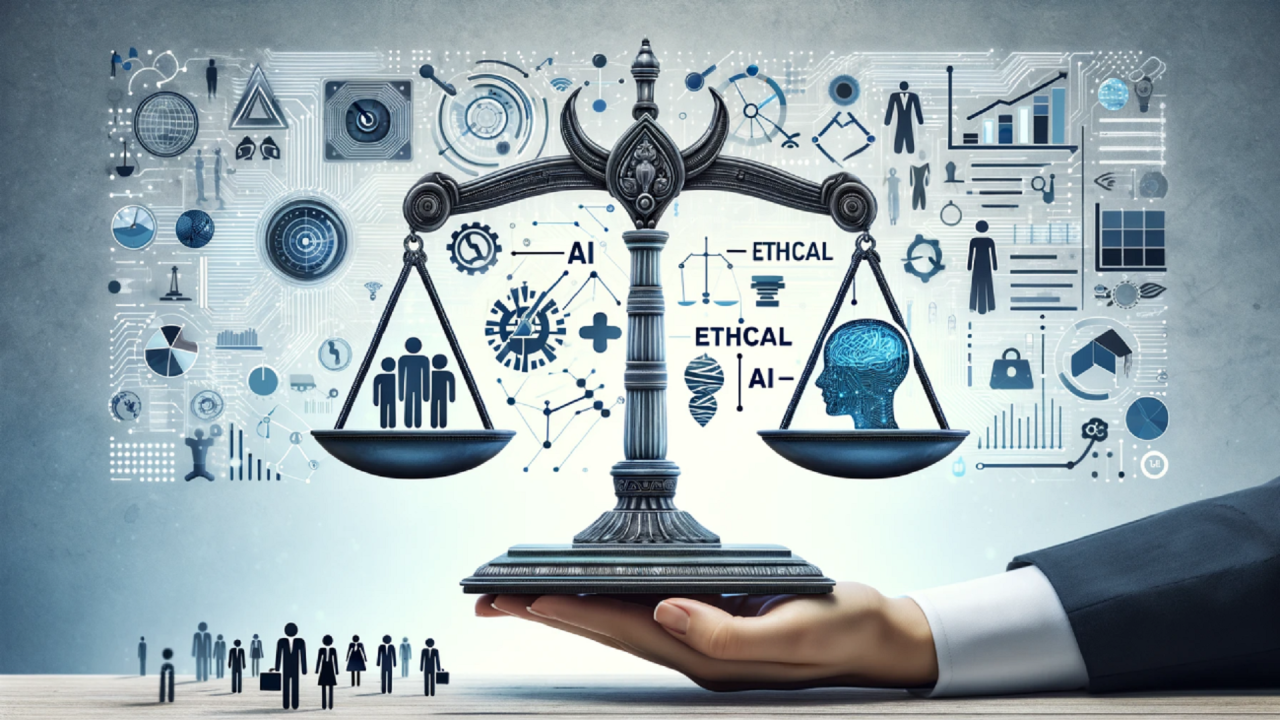
As artificial intelligence (AI) continues to revolutionize the content creation landscape, it brings with it not only incredible opportunities but also significant ethical considerations. Understanding these implications is crucial for businesses, creators, and consumers alike. In this post, we’ll explore some of the key ethical issues surrounding the use of AI tools in content generation and how to navigate them responsibly.
1. Copyright and Ownership Issues
One of the primary concerns with AI-generated content is the question of ownership. Who owns the rights to content created by an AI tool? While users may generate text, images, or code, the underlying algorithms and data used to create that content often belong to the developers of the AI technology.
Best Practices:
- Read Terms of Service: Always review the terms of service of any AI tool you use to understand ownership rights and usage limitations.
- Attribution: Consider providing attribution when using AI-generated content, especially if it closely resembles existing works.
2. Bias and Fairness
AI systems are only as good as the data they are trained on. If the training data contains biases, the AI can inadvertently produce biased or discriminatory content. This is particularly concerning in areas like hiring, marketing, and news reporting.
Best Practices:
- Diverse Training Data: Ensure that AI models are trained on diverse datasets to minimize bias.
- Regular Audits: Conduct regular audits of AI-generated content to identify and rectify any biased outputs.
3. Transparency and Disclosure
As AI-generated content becomes more prevalent, transparency about its use is essential. Consumers have the right to know when they are interacting with AI-generated material, especially in journalism and marketing.
Best Practices:
- Disclosure Statements: Include clear statements indicating when content has been generated by AI, allowing audiences to make informed choices.
- Educate Your Audience: Provide information on how AI tools work and their role in content creation to foster trust and understanding.
4. Quality and Authenticity
While AI tools can produce content quickly, there are concerns about the quality and authenticity of that content. AI-generated text may lack the human touch, creativity, and emotional depth that resonate with audiences.
Best Practices:
- Human Oversight: Always have a human review AI-generated content to ensure quality and authenticity before publishing.
- Blend AI and Human Creativity: Use AI as a tool to enhance your creative process rather than replace it, allowing for a unique blend of technology and human insight.
5. Environmental Impact
The computational power required for AI models can have a significant environmental footprint. As businesses increasingly rely on AI, it’s important to consider the sustainability of these technologies.
Best Practices:
- Energy-Efficient Solutions: Choose AI tools that prioritize energy efficiency and sustainability in their operations.
- Offsetting Carbon Footprint: Consider initiatives to offset your business’s carbon footprint through sustainable practices and partnerships.
Conclusion
As AI continues to shape the future of content creation, navigating the ethical landscape is paramount. By being aware of these issues and implementing best practices, businesses and creators can harness the power of AI responsibly and effectively.
Embrace the potential of AI while maintaining a commitment to ethics and integrity, ensuring that your content creation practices are not only innovative but also responsible and inclusive.
