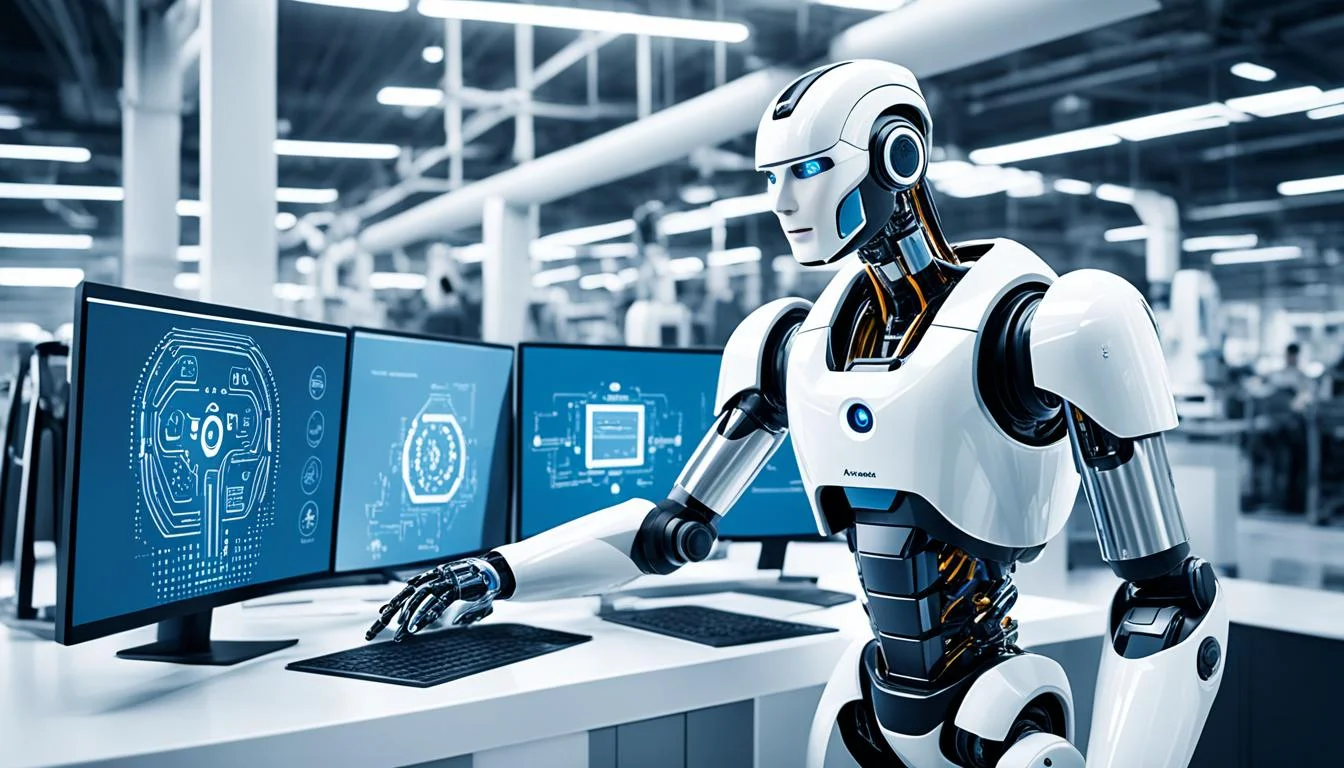
Artificial intelligence (AI) is no longer a futuristic concept; it has become an integral part of various industries, driving innovation and efficiency. From healthcare to finance, AI tools are revolutionizing how businesses operate and deliver value. In this post, we’ll explore practical applications of AI across different sectors and how they’re transforming the way we work.
1. Healthcare: Enhancing Patient Care
AI is making significant strides in the healthcare industry by improving patient care and streamlining operations. From predictive analytics to diagnostic tools, AI technologies are enhancing the quality of healthcare services.
Applications:
- Predictive Analytics: AI algorithms analyze patient data to predict health outcomes, enabling early intervention and personalized treatment plans.
- Medical Imaging: AI-powered tools assist radiologists in identifying anomalies in medical images, improving diagnostic accuracy.
2. Finance: Revolutionizing Risk Assessment
In the finance sector, AI is transforming risk assessment and fraud detection. Financial institutions are leveraging AI to analyze transaction patterns and identify potential fraud in real time.
Applications:
- Fraud Detection: Machine learning algorithms monitor transactions for unusual behavior, flagging potential fraud before it occurs.
- Credit Scoring: AI enhances credit scoring models by analyzing a wider range of data points, leading to more accurate assessments of creditworthiness.
3. Marketing: Personalizing Customer Experiences
AI is reshaping marketing strategies by enabling personalized customer experiences. Marketers are using AI tools to analyze consumer behavior and tailor content accordingly.
Applications:
- Customer Segmentation: AI analyzes data to segment customers into targeted groups, allowing for personalized marketing campaigns.
- Chatbots: AI-driven chatbots provide instant customer support, answering queries and guiding users through the purchasing process.
4. Retail: Optimizing Inventory Management
In the retail industry, AI is enhancing inventory management and customer service. By predicting demand and analyzing sales data, retailers can optimize their supply chains and improve shopper experiences.
Applications:
- Demand Forecasting: AI algorithms predict future sales trends, helping retailers manage inventory levels and reduce stockouts.
- Personalized Recommendations: AI analyzes customer preferences to offer personalized product recommendations, enhancing the shopping experience.
5. Education: Adapting Learning Experiences
AI is transforming education by providing personalized learning experiences. Educational institutions are leveraging AI to tailor curricula to individual student needs.
Applications:
- Adaptive Learning Platforms: AI-powered platforms assess student performance and adapt content accordingly, ensuring personalized learning experiences.
- Grading Automation: AI tools can automate grading for assignments and exams, allowing educators to focus on teaching rather than administrative tasks.
6. Manufacturing: Streamlining Operations
In manufacturing, AI is optimizing production processes and enhancing quality control. By analyzing data from machinery and production lines, manufacturers can improve efficiency and reduce downtime.
Applications:
- Predictive Maintenance: AI predicts equipment failures before they occur, allowing for timely maintenance and reducing unexpected downtime.
- Quality Assurance: AI-powered inspection systems analyze products for defects, ensuring higher quality standards in production.
Conclusion
The practical applications of AI are vast and varied, impacting industries from healthcare to manufacturing. By embracing AI technologies, businesses can enhance efficiency, improve customer experiences, and drive innovation.
As AI continues to evolve, its potential to transform the way we work will only grow. Organizations that adopt AI solutions today will be better positioned to thrive in the future. Explore the possibilities of AI in your industry and unlock new levels of success!
